
Atlanta’s foodservice scene continues to lead the Southeast in menu innovation, and plant-forward dining is no longer a niche—it’s an expectation. From fast-casual concepts to chef-driven restaurants and corporate dining operations, operators are looking for ingredients that meet evolving guest preferences while still performing in high-volume kitchens. Today’s plant-based menus must deliver on flavor, texture, and versatility, not just ideology.
One of the biggest shifts chefs are navigating is the rise of flexitarian dining. Guests aren’t necessarily eliminating animal products altogether, but they are actively seeking plant-based options that feel familiar, indulgent, and satisfying. This is where products like sliced vegan cheddar cheese are gaining traction. Designed for reliable melt and consistent coverage, vegan cheddar slices allow chefs to build plant-based burgers, breakfast sandwiches, and grilled applications that mirror traditional favorites—without adding complexity to execution. For Atlanta operators serving diverse audiences, this makes plant-based offerings easier to integrate into existing menus.
Plant-based butter is another staple playing a growing role behind the scenes. In professional kitchens, butter isn’t just a finishing ingredient—it’s a functional workhorse. Unsalted plant-based butter gives chefs control over seasoning while delivering dependable performance in baking, sautéing, and sauce work. For operations managing mixed menus with both dairy-free and traditional options, this versatility helps streamline prep while accommodating dietary needs.
Breakfast remains one of the fastest-evolving dayparts, especially in urban markets like Atlanta. Plant-based sausage patties are becoming a key solution for operators looking to modernize morning menus without sacrificing speed. Whether used in breakfast sandwiches, bowls, or brunch plates, these patties offer familiar flavor profiles and portion consistency that work seamlessly in high-volume service. As guests continue to prioritize protein and plant-forward choices earlier in the day, these items help operators stay ahead of demand.
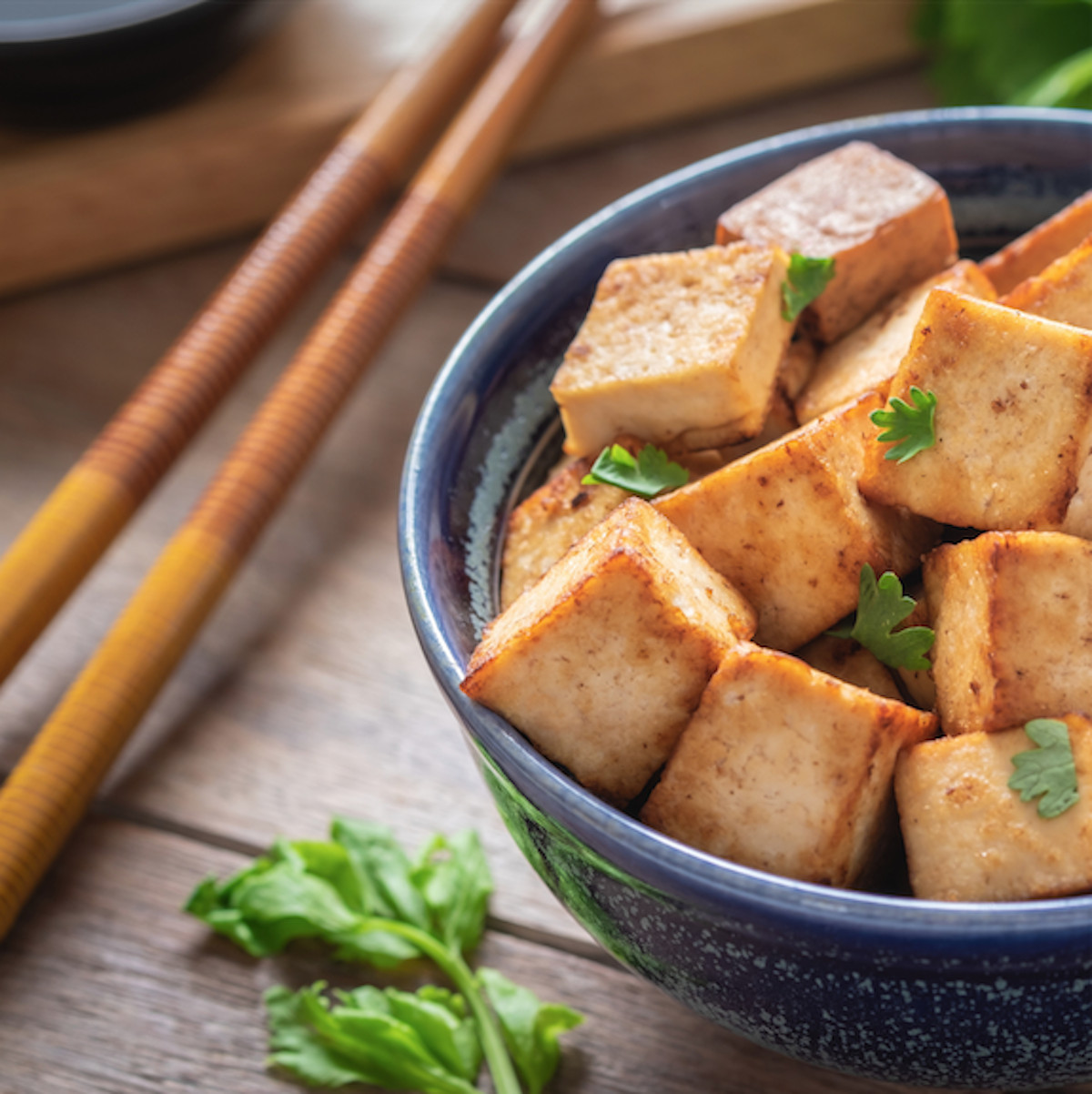
Tofu, once viewed as a specialty ingredient, is now a global menu essential. Firm tofu’s adaptability allows chefs to explore international flavors while maintaining cost control and menu flexibility. From crispy tofu banh mi to Korean-inspired bowls or Mediterranean plates, tofu absorbs marinades and holds its structure across cooking methods. Atlanta’s diverse dining scene makes this ingredient especially valuable, giving chefs the freedom to rotate flavors and concepts without reworking core menu builds.
What ties these products together is performance. Chefs and operators don’t have time for ingredients that require extra steps, special handling, or compromise on taste. Today’s plant-based solutions are designed to work in real kitchens, under real service pressures.
As plant-forward dining continues to shape menu development, the most successful operators will be those who choose ingredients that support both creativity and consistency. For Atlanta foodservice professionals, these plant-based staples offer a practical path to building menus that resonate with modern diners—without disrupting kitchen flow or operational efficiency.